18 September 2026 · 4 min read
Reading a skincare ingredient list
How ingredient lists are ordered, what INCI names are, and what a list can and cannot tell you.
18 September 2026 · 4 min read
How ingredient lists are ordered, what INCI names are, and what a list can and cannot tell you.
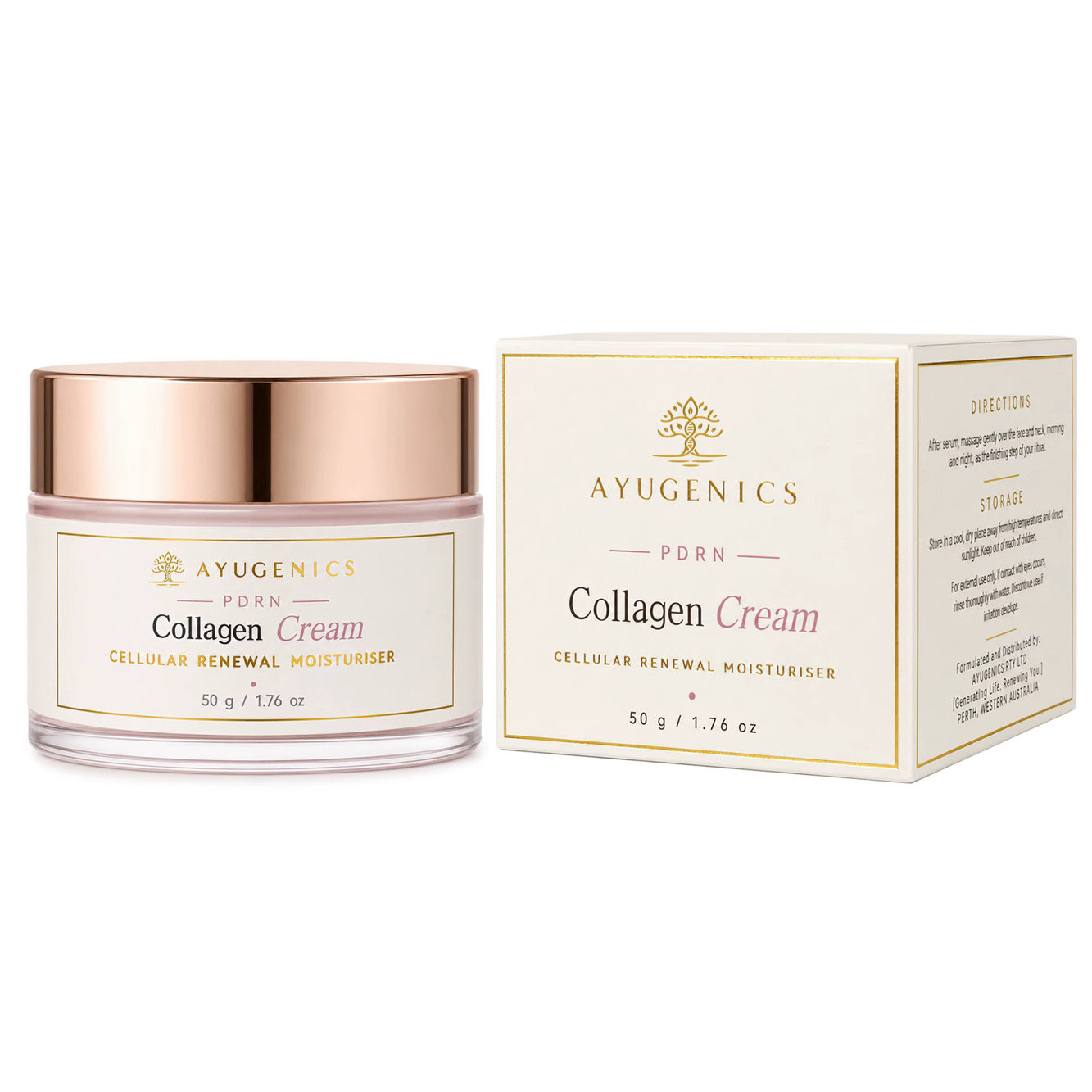
The list printed on a carton is not marketing copy. It follows a naming convention called INCI, which gives every cosmetic ingredient one internationally recognised name, so the same material reads the same way on a product made anywhere.
That is why a familiar ingredient can look unfamiliar on a box. Water is Aqua. A vitamin A derivative is Retinol. A nucleotide-derived material is often Sodium DNA.
Ingredients are generally listed in descending order of concentration until a low threshold is reached, after which the remaining ingredients may appear in any order. So the first few entries are usually the bulk of the formula, and the last few are not ranked in a meaningful way.
A list does not tell you how much of any single ingredient is present, how it was processed, or where it came from. Those details come from the manufacturer, not the label.
A product name is not an ingredient list. If a name refers to an ingredient that the printed list does not show, the list is the document to trust, and the discrepancy is worth resolving before anything is claimed.
We apply that rule to our own range: every product page reproduces the full printed list, in carton order.
Start at the top for the base of the formula. Scan for anything you personally avoid. Then check the directions panel, which often carries the warnings that matter more than any single ingredient.
If you cannot find a full list for a product, that is information too.
This article is general information. It is not medical advice, and it is not evidence about the performance of any Ayugenics product.